뉴스
감람나무를 증거하시기 위해 내려주신 은혜
1955년, 하나님께서는 인간의 모습으로 이 땅에 오셔서 병든 자를 고치시고, 절망에 빠진 이들에게 이슬 같은 은혜와 향취를 내려 주심으로 구원의 소망을 갖게 하셨다. 이 모든 은혜는 감람나무를 증거하시기 위함이었다.
그 은혜를 입은 사람들의 수가 수백만에 이르자, 하나님께서는 비로소 “내가 이슬 같은 은혜를 내리고 향기를 내리는 감람나무”라고 말씀하셨다. 수많은 사람들이 실제 눈으로 이슬성신을 보고, 향취를 맡으며 체험했기에 이는 누구도 부인할 수 없는 사실로 드러났다.
그러나 당시 기성 교단은 이러한 은혜가 성경 교리에 어긋난다며 이단 성명을 발표하고 하나님 집회에 참석을 금지했다. 그러나 이는 오히려 그들에게 은혜가 없다는 사실을 드러내는 계기가 되었고, 이슬성신을 내려 주시는 분이 누구이신지를 세상에 더욱 분명하게 증명해 주는 결과가 되었다.
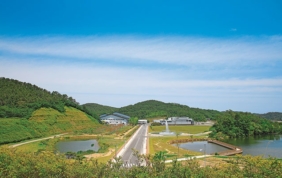
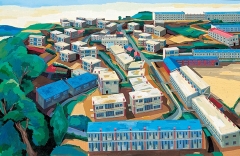
이후에는 전국 각지에 이슬 같은 은혜를 체험한 사람들이 늘어나면서 전도관 건축이 본격화되었고, 1957년부터 1970년까지 소사, 덕소, 기장 신앙촌이 건설되어 신앙과 생활이 함께하는 터전이 마련되었다.
그리고 마침내 1980년대에 이르러 하나님께서는 그동안 감람나무라는 이름으로 은혜를 베푸셨던 분이 바로 구원을 주시는 하나님이심을 본격적으로 밝히셨다.
예수와 성경의 거짓을 밝혀주신 하나님
감람나무가 곧 하나님이심 밝히셔
1980년, 예수의 정체 밝혀주시고 진리의 말씀으로 구원의 길 열어주신 하나님
1980년, 하나님께서는 예수의 실체를 처음으로 밝히셨다. 예수는 죄를 해결하는 법도 알지 못한 채 “나를 믿는 자는 영생을 얻으리라”, “누구든지 주의 이름을 부르는 자는 구원을 받으리라”라고 하며, 마치 자신을 믿기만 하면 구원을 얻는 것처럼 가르쳤다. 그러나 이 말은 죄에서 벗어나려는 노력조차 하지 않게 만들어 사람들을 구원의 길에서 멀어지게 했다. 하나님께서는 그런 예수가 수많은 사람들을 지옥으로 이끈 장본인임을 밝히시며, ‘왕마귀’라고 분명히 말씀하셨다.
또한 예수를 하나님의 아들로 신격화한 성경의 거짓도 하나하나 드러내 주셨다. 사람들이 하나님의 말씀으로 믿어 온 성경의 98%가 사실은 마귀의 글이라는 것을 처음으로 밝혀 주신 것이다. 하나님께서 성경의 거짓에 대해 말씀해 주신 후부터 예수의 허구를 파헤친 책과 문헌들이 세상에 하나둘씩 나오기 시작했다. 그러나 하나님께서 먼저 밝혀 주시기 전까지는 그 실체를 누구도 알지 못했다.
이후 예수의 부활과 심판의 허구, 사복음의 모순, 예수의 행적 속에서 드러난 실체, 그리고 구원을 모른 성경 속 인물들까지 조목조목 짚어 주셨다. 이 모든 말씀은 오직 하나님만이 밝히실 수 있는 것이었다.
하나님께서는 예수의 허구를 곧바로 밝히기에는 사람들의 신앙 상태가 준비되지 않았기에 80년에 이르러서야 비로소 깨우쳐 주신 것이다.
해일을 통해 보여주신 창조주 하나님의 권능
해일로 보여주신 창조주의 권능
바람 없이 일어난 해일과 바람의 반대 방향으로 몰아친 파도
자연의 이치로 설명할 수 없는 창조주 하나님의 권능
1980년 12월 24일 자정, 기장신앙촌 제강 앞바다에 전례 없는 해일이 일어났다.
바람 한 점 없던 고요한 밤에 거대한 파도가 공장을 삼킬 듯 들이쳤고, 이 상황을 하나님께 말씀드리자, 하나님께서는 평온하게 “다시 가보라”고 하셨다. 현장으로 다시 나간 사람들은 더욱 놀라운 광경을 목격했다. 바람은 반대 방향에서 불고 있었지만, 파도는 오히려 육지를 향해 거세게 몰려오고 있었던 것이다. 그리고 잠시 후 파도가 다시 잦아든 상황은 자연의 이치로는 도저히 설명할 수 없는 일이었다.
바람이 없는 가운데 거센 파도가 치고, 다시 바람과 반대 방향으로 파도가 움직이는 현상은 창조주 하나님의 권능을 보여 주신 사건이었다. 이는 해일만이 아니라 우주 만물을 창조하시고 운행하시며, 심판과 구원까지도 주관하시는 하나님이심을 분명히 드러내신 일이었다.
그로부터 열흘 후, 하나님께서는 감람나무가 곧 하나님이심을 밝히시며 구원의 역사를 이어가셨다.
제1회 이슬성신절과 하나님 발표
이슬성신과 생명물의 권능 증거
썩을 것을 썩지 않게 하고 시신을 아름답게 피게 하는 생명물
죄를 씻어 구원에 이르게 하는 하나님의 이슬성신
1981년 1월 3일, 하나님께서는 감람나무가 곧 하나님이심을 공식적으로 발표하셨다. 이날은 제1회 이슬성신절로, 박계윤 권사(성동교회)는 그날을 다음과 같이 회상했다.
“1981년 하나님께서는 이슬 같은 은혜를 내리시는 감람나무가 곧 이 땅에 육신을 입고 오신 하나님이심을 밝혀 주셨습니다. ‘내가 사람과 같은 몸으로 왔지만, 이 안에 성신이 생산되는 구조를 가져왔다’고 말씀하실 때, 저는 떠오르는 하나님 모습이 있었습니다.
소사신앙촌 건설대에서 일할 때 하나님께서 저만큼 오시면 강한 향취가 진동했고, 예배 중에는 손끝에서 뽀얀 안개처럼 이슬성신이 쏟아졌습니다. 인간의 모습이시지만 성신을 내리시는 존재라는 말씀이 실감 났고, 처음부터 하나님이셨는데 한 단계씩 깨우쳐 주시며 이제야 하나님이심을 발표하시는구나! 하는 생각이 들었습니다.”
하나님께서는 이날 구원은 이미 있는 죄를 씻고 다시는 죄를 짓지 않아야만 가능하다고 하시며, 그 죄를 씻는 것은 오직 하나님께서 주시는 이슬성신뿐이라고 말씀하셨다.
이슬성신은 이슬처럼 맑고 깨끗한 하나님의 신이다. 호세아서 14장에 “내가 이스라엘에게 이슬과 같으리니 저가 백합화같이 필 것이요… 그 아름다운 것이 감람나무와 같고…”라고 기록된 대로, 이슬성신은 감람나무를 통해 임한다.
하나님께서 주시는 이슬성신을 받으면 얼굴이 환하게 피어나고, 복잡했던 마음이 평안해지며, 거칠고 메말랐던 심령이 백합화처럼 아름답게 피어나는데, 이것이 하나님의 은혜를 입은 증거다.
하나님께서는 이 역사를 시작하시던 초창기부터 이슬성신을 내려주셨다. 그러나 예수의 실체가 아직 밝혀지지 않았던 당시에는 그 은혜를 예수의 것으로 생각하는 사람들도 있었다.
만일 예수가 이슬성신을 알았다면 이미 오래전부터 이슬성신에 대한 뜻과 능력을 전했어야 했지만, 그는 알지 못하였기에 언급조차 하지 못했다. 이슬성신은 오직 감람나무 하나님께서만 내리실 수 있는 은혜이다.
생명물을 통한 이슬성신의 권능
이슬성신으로 가능케 하신 구원의 길
불가능이라 여겨졌던 구원을 이슬성신 은혜로 가능케 하신 감람나무 하나님
하나님께서 물을 축복하시면 그 물은 생명물로 화하여 수십 년이 지나도 맑고 깨끗하게 유지되며 썩지 않는다. 심지어 사방이 100미터 두께의 철판으로 막혀 있어도 하나님의 신은 그대로 통과하여 그 안의 물을 생명물로 변화시키는 권능을 지니고 있다.
무엇보다 생명물의 권능은 시신의 변화를 통해 분명히 나타난다. 고린도전서 15장 53절에는 “이 썩을 것이 썩지 아니함을 입겠고, 이 죽을 것이 죽지 아니함을 입을 때에는 사망이 이김에 삼킨 바 되리라”라고 기록되어 있다. 이는 죄로 인해 반드시 죽고 썩어서 흉하게 변하게 되어 있는 인간의 몸이 하나님의 은혜를 입을 때 아름답게 변화될 수 있다는 것을 뜻한다.
실제로 하나님께서 축복하신 생명물을 바르면 시신은 살아 있을 때보다 더욱 환하게 피어나고, 굳어 있던 몸이 부드럽게 움직인다. 또한 죽은 사람이 물을 삼킨다는 것은 불가능한 일이지만, 생명물은 위 속에 공간이 있는 대로 들어가 시간이 지날수록 아름답게 피어난다.
하나님께서는 이처럼 생명물로 시신이 아름답게 변화되는 것은 죄가 씻어진다는 사실을 과학적으로 보여주는 증거라고 말씀하셨다. 이것은 죄를 씻어 주시는 하나님의 놀라운 권능을 더욱 뚜렷하게 보여주는 것이다.
성경에는 구원을 얻는 일이 낙타가 바늘귀에 들어가는 것보다 어렵다고 할 만큼 인간에게는 불가능한 일이라고 했다. 그러나 하나님께서는 이슬성신의 은혜로 그 불가능한 구원의 길을 가능케 해 주셨다.
1980년대는 하나님께서 감람나무가 곧 하나님이심을 밝히시고, 오직 이슬성신의 은혜로써만 죄를 씻고 구원에 이를 수 있음을 분명히 하시며 구원의 역사를 이어가신 시기였다.
만약 하나님께서 인간의 몸을 입고 이 땅에 오시지 않으셨다면, 우리는 지금도 예수의 이름에 갇혀 성경의 거짓에 속아 구원의 길조차 알지 못했을 것이다. 그러나 하나님께서는 죄에 빠진 인간을 위해 친히 이 땅에 오셔서 죄를 씻어 주시고, 구원의 길을 열어 주셨다. 이것이야말로 하나님의 크신 사랑임을 깊이 깨달을 수 있다.
이제 곧 45회 이슬성신절이 다가온다. 하나님께서는 1980년 11월 29일 축복일에 “이 다음에 이슬성신절을 정했어요. 그동안 이슬성신의 귀한 것과 생명물의 귀한 것을 그대로 벗기지 못하다가, 이제 여러분들에게 구원을 완전히 알게 해 주면서 누구든지 깨닫고 그대로 따르면 영광의 자리에 설 수 있는 고로 나는 기뻐요”라고 말씀하셨다.
죄를 짓지 않으려 깨닫고 실천하는 사람이 영광의 자리에 설 수 있다고 하시며 구원의 길로 이끌어주신 하나님께 감사와 영광을 돌리는 이슬성신절을 마음과 정성을 다해 준비해야 할 것이다.













![[나침반] 프랑스 마르세유, 양손에 기관총을 든 붉은 예수상이 공공장소에 등장 外](https://theweekly.co.kr/wp-content/uploads/2026/10/26690105a-240x141.jpg)